
“`html
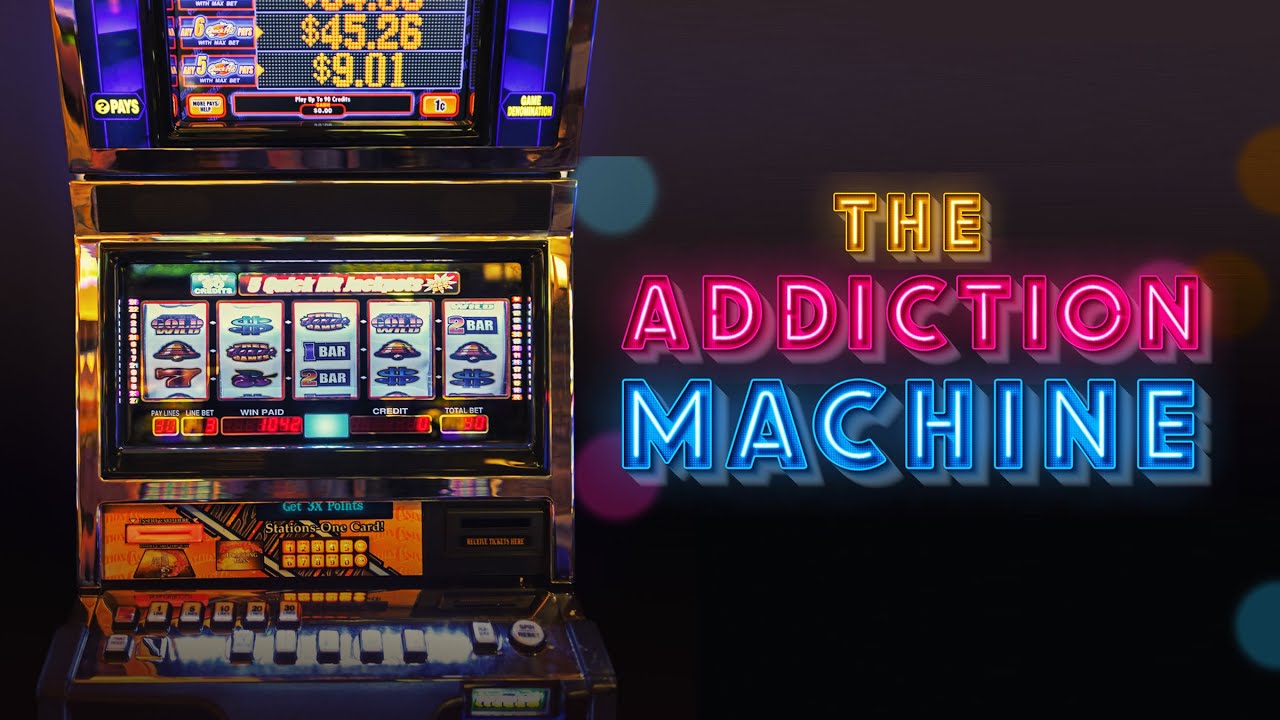
Slot Machines: The Ultimate Addiction Incubator
Introduction
Ever watched someone glued to a slot machine, relentlessly feeding it bills while their face reflects a cocktail of hope and desperation? It’s a common sight, painted across casinos and even corner stores. But beyond the flashing lights and catchy jingles lies a potentially devastating reality: slot machines are designed to be, well, addictive. They’re meticulously crafted instruments, preying on our innate psychology and turning entertainment into a dangerous obsession.
Why are these seemingly harmless games so alluring, and what makes them such potent incubators for addiction? Let’s pull back the curtain and explore the science behind the spins, the real-world impact of slot machine addiction, and, most importantly, what can be done to mitigate its harmful effects.
The Siren Song of the Reels: How Slot Machines Hook Us
It’s not just dumb luck that keeps people playing. Slot machines are engineered using principles of behavioral psychology to maximize engagement and, ultimately, spending. Here’s a glimpse at the tricks up their digital sleeves:
- Variable Ratio Reinforcement: Forget consistent rewards. Slot machines operate on a variable ratio reinforcement schedule. This means payouts are unpredictable, delivered after a varying number of plays. This inconsistency keeps players hooked, convinced the next spin might be the jackpot. Think of it like fishing; you don’t catch a fish every cast, but the possibility keeps you reeling.
- Near Misses: Ah, the agonizing “almost” win. Getting two cherries and a lemon, or lining up most of the symbols but missing the grand prize, activates the same reward pathways in the brain as a real win. It fuels the illusion of control and encourages players to keep trying.
- Sensory Overload: The dazzling lights, vibrant colors, and immersive sound effects all contribute to a state of heightened arousal. This sensory overload can be incredibly stimulating, making it harder to walk away. It’s a hypnotic effect designed to disconnect you from reality and immerse you in the game.
- The Illusion of Control: Many slot machines feature buttons that seem to influence the outcome, or mini-games that require player interaction. While these features rarely impact the actual odds, they create a sense of control, further reinforcing the illusion that the player can influence their fate.
- Accessibility and Anonymity: Unlike many other forms of gambling, slot machines are often easily accessible, tucked away in bars, convenience stores, and, of course, casinos. The relatively low stakes and the ability to gamble anonymously add to their appeal, making it easier for problem gambling to develop unnoticed.
The Ripple Effect: Short-Term Thrills, Long-Term Pains
The short-term appeal of slot machines is undeniable. The rush of a potential win, the excitement of the flashing lights, and the escape from daily worries can be incredibly seductive. But the long-term consequences of slot machine addiction can be devastating, impacting every facet of a person’s life:
- Financial Ruin: This is perhaps the most obvious consequence. Compulsive gamblers can quickly deplete their savings, rack up significant debt, and even lose their homes. The relentless pursuit of chasing losses often leads to a downward spiral.
- Relationship Damage: Addiction puts a strain on relationships with family and friends. The lies, secrecy, and financial burden associated with gambling addiction can erode trust and lead to isolation.
- Mental Health Issues: Slot machine addiction is often linked to anxiety, depression, and even suicidal thoughts. The shame and guilt associated with the addiction can be overwhelming, leading to a decline in mental well-being.
- Physical Health Problems: The stress and anxiety associated with gambling can manifest in physical ailments such as insomnia, headaches, and digestive problems. Neglecting personal health while chasing losses is also a common issue.
- Legal Troubles: In extreme cases, individuals struggling with gambling addiction may resort to illegal activities to fund their habit, leading to legal consequences.
Breaking the Cycle: Practical Solutions for a Brighter Future
The good news is that slot machine addiction is treatable. Here are some practical solutions that can help individuals regain control of their lives:
- Self-Exclusion Programs: Many casinos and gaming facilities offer self-exclusion programs, allowing individuals to voluntarily ban themselves from gambling establishments. This is a crucial first step in creating a barrier to access. Example: A man realized he was spending too much time and money at the local casino. He enrolled in the self-exclusion program, which barred him from entering the casino for a year. This gave him the space he needed to seek therapy and address his gambling problem.
- Therapy and Counseling: Cognitive Behavioral Therapy (CBT) is a particularly effective approach for addressing gambling addiction. CBT helps individuals identify and challenge the negative thought patterns and behaviors that contribute to their addiction. Example: A woman who repeatedly gambled away her paycheck found CBT helpful in understanding the triggers that led her to gamble and developing coping mechanisms to resist the urge.
- Support Groups: Gamblers Anonymous (GA) and other support groups provide a safe and supportive environment for individuals to share their experiences and receive encouragement from others who understand their struggles. Example: Attending GA meetings allowed a struggling gambler to connect with others who had overcome similar challenges. The shared experiences and support provided a sense of community and accountability.
- Financial Counseling: Managing debt and learning responsible financial habits is crucial for long-term recovery. Financial counselors can help individuals create budgets, develop debt repayment plans, and learn strategies for managing their finances.
- Limiting Access to Funds: Entrusting a trusted friend or family member with managing finances can help prevent impulsive gambling decisions. This might involve having them control access to bank accounts and credit cards.
- Alternative Activities: Filling the void left by gambling with healthier activities is essential. This could include engaging in hobbies, spending time with loved ones, exercising, or volunteering.
- Mindfulness and Relaxation Techniques: Practicing mindfulness and relaxation techniques can help individuals manage stress and anxiety, reducing the urge to gamble. This might involve meditation, yoga, or deep breathing exercises.
- Gambling Blocking Software: Numerous software programs and apps can block access to online casinos and gambling websites, creating a digital barrier to prevent online gambling.
A Path to Recovery: Embracing Hope and Taking Action
Confronting slot machine addiction can be a daunting task, but it’s a journey worth taking. Remember, you’re not alone, and there are resources available to support you every step of the way. Acknowledging the problem, seeking help, and implementing practical strategies can pave the way for a brighter, healthier, and more fulfilling future.
The flashing lights and seductive sounds of slot machines may promise easy wins, but true victory lies in breaking free from their addictive grip and reclaiming control of your life. Take that first step, explore the solutions that resonate with you, and embark on the path to recovery. You have the power to rewrite your story and create a future free from the clutches of addiction. The reel stops here. It’s time to spin a new narrative.
“`